SLEEP APNOEA
Understanding sleep apnoea
Sleep apnoea is one of Australia’s most common — and most commonly undiagnosed — chronic health conditions. Here’s what it is, how to recognise it, and what you can do about it.
Sleep apnoea is one of Australia’s most common — and most commonly undiagnosed — chronic health conditions. Here’s what it is, how to recognise it, and what you can do about it.

Sleep apnoea is a condition in which your breathing repeatedly stops and starts during sleep. These interruptions — called apnoeas — can occur dozens or even hundreds of times per night, each lasting from a few seconds to more than a minute.
The most common form is obstructive sleep apnoea (OSA), where the muscles in the throat relax too much during sleep, causing the airway to narrow or collapse. Central sleep apnoea is less common and involves the brain failing to send the right signals to the muscles that control breathing.
Sleep apnoea affects an estimated 1 in 5 Australians to some degree — and the majority of cases go undiagnosed. Left untreated, it is associated with serious health risks including high blood pressure, heart disease, stroke, type 2 diabetes, and depression.
The challenge with sleep apnoea is that the most obvious symptoms happen while you’re asleep — which means many people don’t know they have it until a partner notices, or until the daytime effects become hard to ignore.
Common signs to look for include:
If you or someone you sleep with recognises several of these signs, it’s worth speaking to your GP. A sleep study — which can often now be done at home — is the standard way to diagnose sleep apnoea.

A diagnosis of sleep apnoea will usually come with a recommendation for treatment based on the severity of your condition, measured by your Apnoea-Hypopnoea Index (AHI) — the number of breathing interruptions per hour.
Mild sleep apnoea (AHI 5–15) may be managed with lifestyle changes and positional therapy. Moderate to severe sleep apnoea (AHI above 15) is most effectively treated with Continuous Positive Airway Pressure (CPAP) therapy.
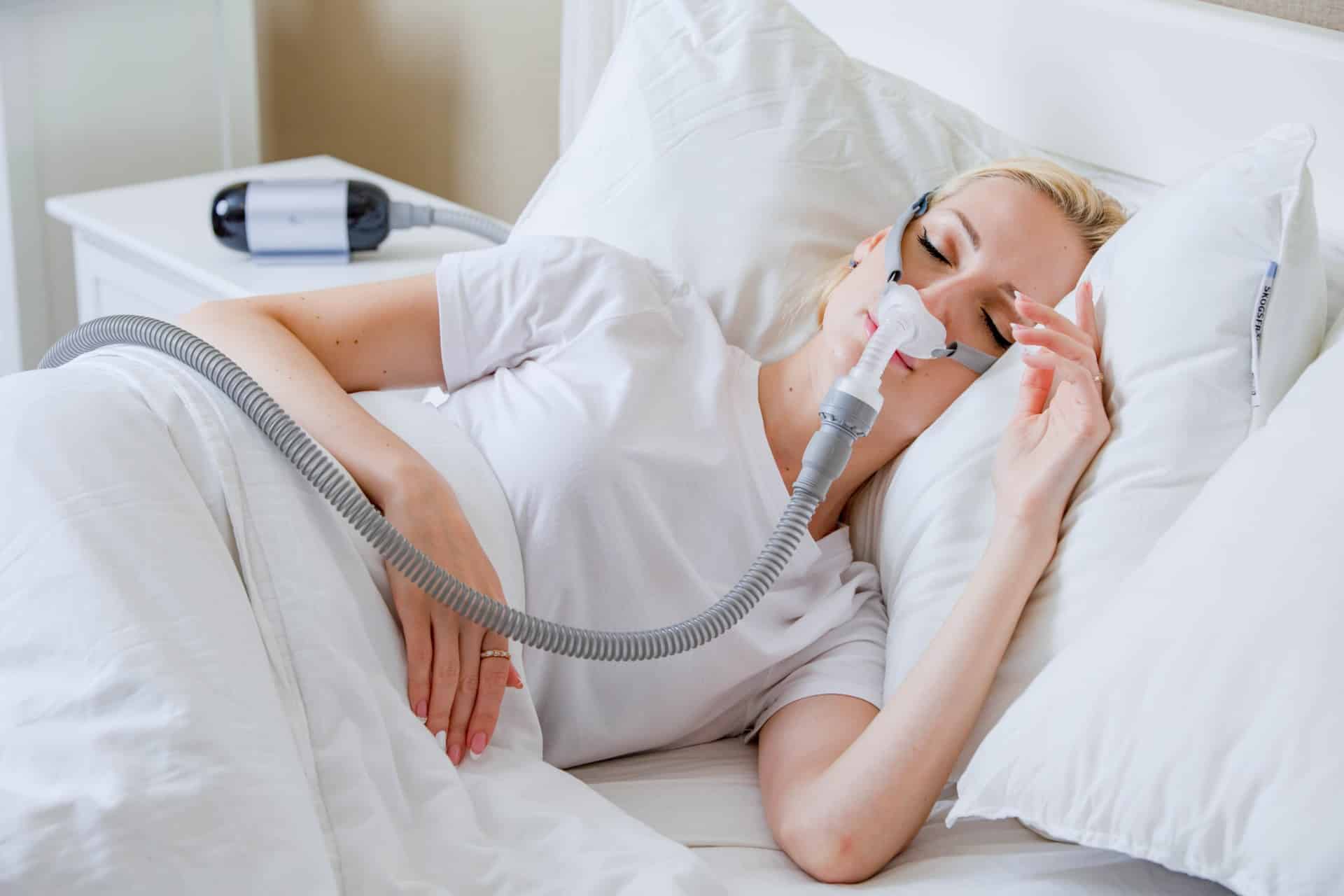
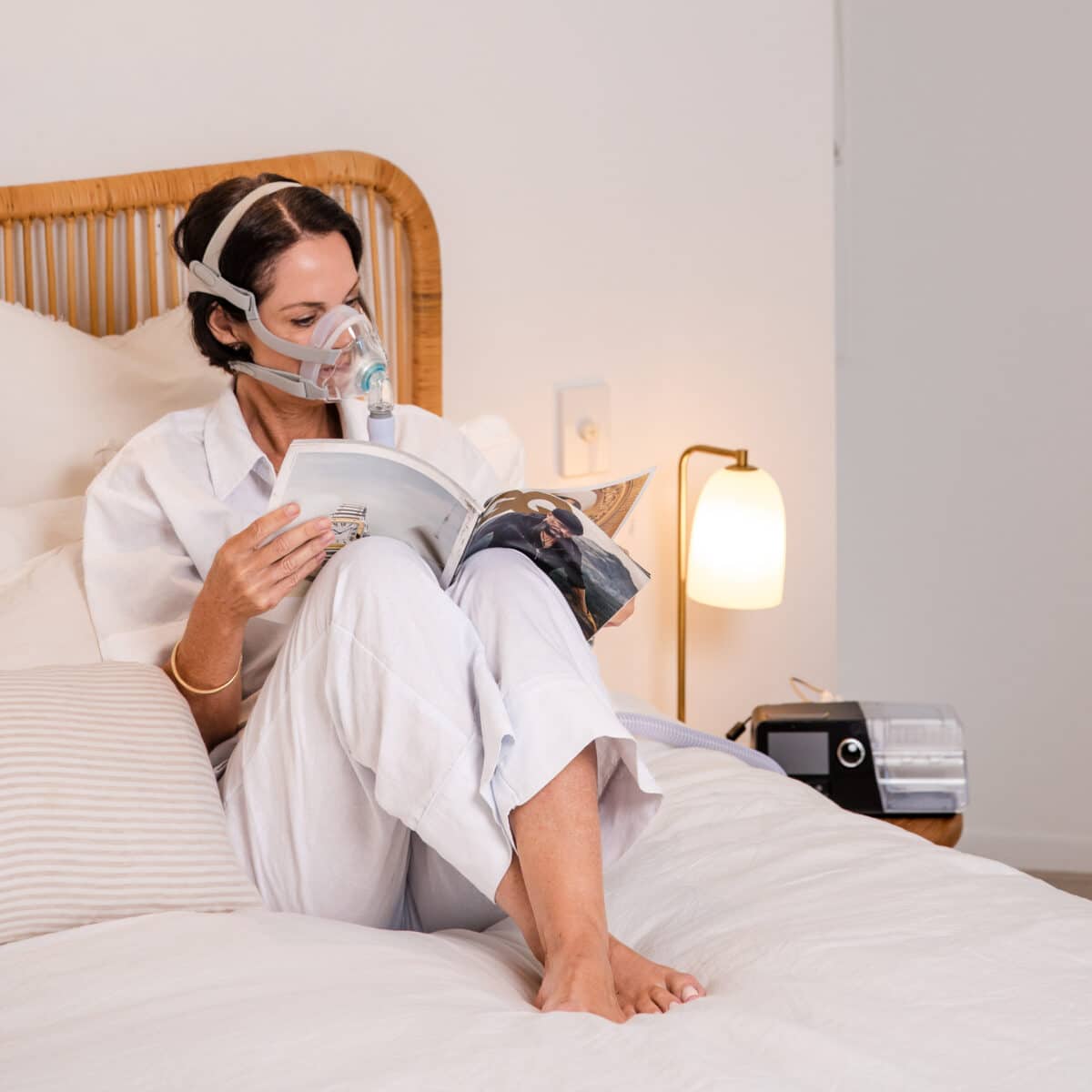
CPAP therapy involves sleeping with a mask connected to a small device that delivers a constant gentle stream of air, keeping your airway open throughout the night. It’s the gold-standard treatment for obstructive sleep apnoea — and when used consistently, it’s highly effective.
For some patients, BiLevel therapy (which delivers different pressures on inhalation and exhalation) may be recommended — particularly at higher therapy pressures.
CPAP is proven to work — but only if you actually use it. CPAP compliance (defined as using the device for more than 4 hours per night on more than 70% of nights) is associated with significantly better health outcomes, from improved energy and mood to reduced cardiovascular risk.
The most common reasons people stop using CPAP are discomfort (mask irritation, pressure), noise, and inconvenience. BMC has specifically designed its device and mask range to address all three — with softer silicone, quieter operation, smarter pressure delivery, and connected tools to help you track and improve your therapy over time.